
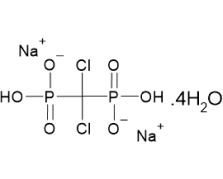
Clodronic acid (INN), also known as Clodronate disodium (USAN), is a first-generation, non-nitrogenous bisphosphonate used for the prevention and treatment of osteoporosis. It is particularly effective in postmenopausal women and men for reducing vertebral fractures and managing conditions like hyperparathyroidism, hypercalcemia in malignancy, multiple myeloma, and fracture-related pain. Clodronic acid also exhibits potent anti-inflammatory and analgesic effects, with a marked reduction in inflammatory markers such as IL-1β, IL-6, and TNF-α.
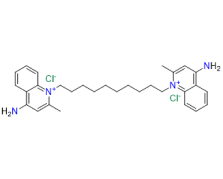
Dequalinium Chloride is a cationic bola amphiphilic compound composed of two quinaldinium rings linked by 10 methylene groups. This versatile quaternary ammonium compound is widely used for its antimicrobial properties, effectively treating mouth, throat infections, and vaginal candidiasis. Beyond its antimicrobial use, it plays a crucial role in reducing inflammation and enhancing drug delivery systems.
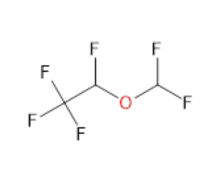
Desflurane is a highly fluorinated methyl ethyl ether used for the maintenance of general anesthesia. It stands out among volatile anesthetic agents due to its rapid onset and offset, allowing precise control over anesthesia depth. With its low blood solubility, Desflurane ensures quick induction and recovery, making it particularly beneficial for outpatient surgeries and procedures requiring fast post-operative recovery. This property makes it a preferred choice in modern anesthetic practices, providing effective anesthesia at lower concentrations while enabling swift patient turnaround.
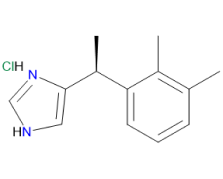
Dexmedetomidine Hydrochloride is a highly selective alpha-2 adrenoreceptor agonist known for its sedative, analgesic, and anxiolytic properties with minimal respiratory depression. As an imidazole derivative, it exerts its effects by binding to alpha-2 adrenoceptors in the brain, inhibiting norepinephrine release from synaptic vesicles, thereby reducing sympathetic activity. This mechanism results in effective sedation, analgesia, and anxiety reduction, making it a vital drug in clinical settings, particularly in intensive care and procedural sedation.
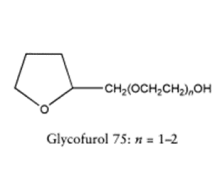
Glycofurol is a widely used pharmaceutical excipient approved for use in various formulations. It acts as a solvent in parenteral products for intravenous or intramuscular injections, at concentrations up to 50% v/v. Additionally, Glycofurol is used as a penetration enhancer and solvent in topical and intranasal formulations, predominantly in animal studies. It has also been effectively utilized at 20% v/v concentration in rectal formulations, demonstrating its versatility across a range of pharmaceutical applications. Glycofurol is available in two grades, Glycofurol (n=1-5), which contain oligomer N1 to N5 and Glycofurol (N1,2), which is a combination of N1 and N2 oligomer.
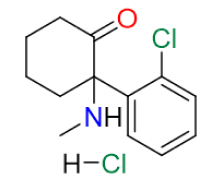
Ketamine Hydrochloride is a versatile pharmaceutical agent, classified as a cyclohexanone, where the 2-position hydrogen is substituted with a 2-chlorophenyl group and a methylamino group. Known for its role as a NMDA receptor antagonist, Ketamine Hydrochloride is widely used for its potent anesthetic and analgesic effects. It is a critical component in medical and veterinary anesthesia, as well as pain management, owing to its unique properties and fast-acting nature.
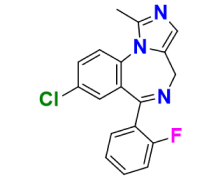
Midazolam is a short-acting hypnotic-sedative with anxiolytic and amnestic properties, widely used in procedures like dentistry, cardiac surgery, and anesthesia. Its short action and cardiorespiratory stability make it ideal for elderly and high-risk patients. Administered through various routes (oral, intravenous, intramuscular, nasal, or buccal), its primary effects include sedation, anxiety reduction, muscle relaxation, amnesia, and anticonvulsant activity, making it essential in medical settings.
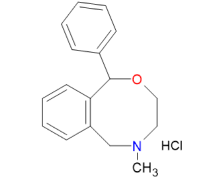
Nefopam Hydrochloride is a powerful non-opioid analgesic, known for its efficacy in relieving acute and chronic pain, including post-operative, dental, musculoskeletal, traumatic, and cancer pain. Our approach to the synthesis and production of Nefopam Hydrochloride sets us apart, ensuring superior quality, safety, and efficiency at every step.
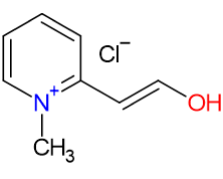
Pralidoxime Chloride is a cholinesterase reactivator used as an antidote for organophosphate poisoning, commonly caused by pesticides and nerve agents. This prescription medicine is vital in treating poisoning cases where muscle weakness or respiratory depression occurs. It works by reactivating the enzyme acetylcholinesterase, which has been inactivated by these toxic agents. This reactivation breaks down the excess acetylcholine caused by the poisoning, helping to reverse muscle weakness and restore respiratory function.
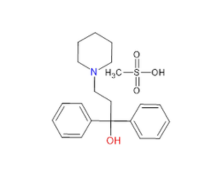
Pridinol Mesylate is a muscle relaxant used to alleviate muscle spasms and stiffness. As an anticholinergic agent, it works by blocking the neurotransmitter acetylcholine, which plays a key role in muscle contractions. By inhibiting acetylcholine activity, Pridinol Mesylate effectively reduces muscle spasms, promotes relaxation, and provides pain relief, making it an essential therapeutic option in musculoskeletal disorders.
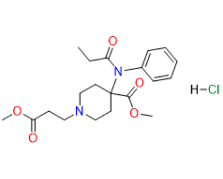
Remifentanil Hydrochloride is a potent, short-acting synthetic opioid analgesic used primarily during surgery to provide effective pain relief and as an adjunct to anesthesia. Its rapid onset and short duration of action make it ideal for surgical settings, ensuring precise control of pain management.
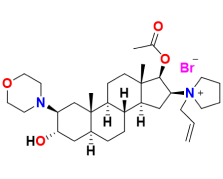
Rocuronium Bromide is a short-acting, non-depolarizing steroidal neuromuscular blocker commonly used alongside general anesthesia to facilitate endotracheal intubation and provide muscle relaxation during surgery or mechanical ventilation. Given its effect on neuromuscular function, a reversal agent, like Sugammadex, is often required to address potential residual paralysis post-procedure.
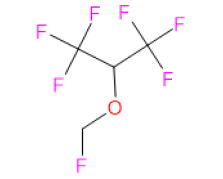
Sevoflurane is a widely used volatile anesthetic for inducing and maintaining general anesthesia. Known for its sweet smell, non-flammable nature, and rapid onset of action, Sevoflurane is particularly valued for not irritating the airways, making it ideal for patient comfort. As a highly fluorinated methyl isopropyl ether, it has become a preferred choice in medical anesthesia.
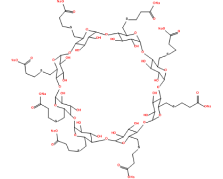
Sugammadex Sodium is a groundbreaking drug in the class of selective relaxant binding agents (SRBA), providing a safer, more efficient reversal of neuromuscular blockade caused by agents like Rocuronium and Vecuronium in general anesthesia. With significant peri-operative benefits, Sugammadex offers a superior solution for managing muscle relaxation during surgery.
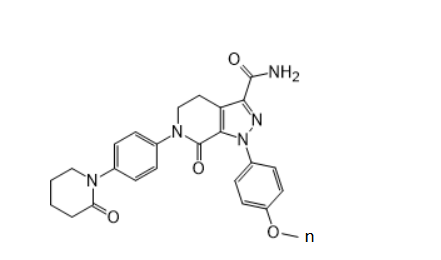
Apixaban is a potent and selective factor Xa inhibitor widely used for the prevention and treatment of thromboembolic disorders. Known for its targeted mechanism of action, it plays a critical role in reducing the risk of stroke and systemic embolism. Despite its structurally complex synthesis and multiple reactive sites, Apixaban can be consistently manufactured with high purity through advanced process control. Its well-optimized formulation ensures reliable therapeutic performance, making it a preferred choice in modern anticoagulant therapy.
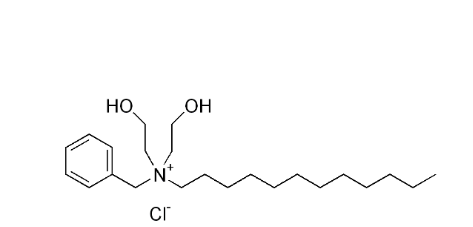
Benzoxonium chloride is a quaternary ammonium compound that functions as a cationic surfactant and antiseptic. It is widely used in pharmaceutical and oral care formulations for the treatment of mouth and throat infections, as well as for minor wound disinfection. Known for its antimicrobial efficacy and stability, Benzoxonium chloride plays a critical role in ensuring hygiene and infection control across multiple therapeutic applications.
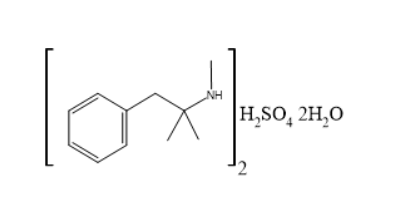
Mephentermine Sulphate Dihydrate is a sympathomimetic agent widely used for the management of hypotensive states, particularly in critical care settings where rapid and reliable blood pressure support is essential. Its therapeutic effectiveness depends on consistent quality and stringent impurity control. Manufactured using patented synthesis technology, Mephentermine Sulphate ensures improved process efficiency, enhanced control over reaction pathways and superior reproducibility compared to conventional manufacturing routes, delivering a reliable and high-quality API.
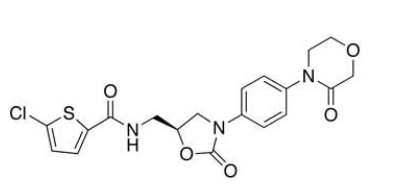
Rivaroxaban is an oral anticoagulant active pharmaceutical ingredient widely used for the prevention and treatment of thromboembolic disorders. As a selective Factor Xa inhibitor, it effectively interrupts the coagulation cascade, reducing the formation of blood clots and lowering the risk of stroke and systemic embolism. Its predictable pharmacokinetics and oral administration make it a convenient and reliable alternative to traditional anticoagulants requiring parenteral dosing. Rivaroxaban is commonly formulated into oral tablets, ensuring consistent dosing for both acute and long-term therapy.
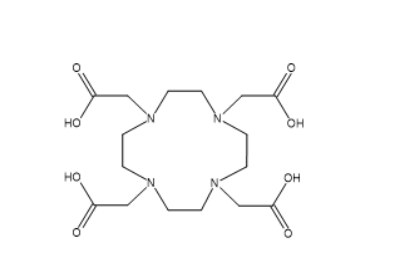
Tetraxetan (USP–NF), also known as DOTA (1,4,7,10-Tetraazacyclododecane-1,4,7,10-tetraacetic acid) is a highly efficient complexing agent widely used in pharmaceutical applications. Its strong metal-chelating properties make it critical in formulations where precise binding and stability are essential. Given its sensitivity to trace impurities, especially inorganic and metal impurities, maintaining exceptional purity is vital to ensure product performance and patient safety. Our advanced manufacturing approach ensures stringent control over these impurities, delivering a highly pure and reliable API.
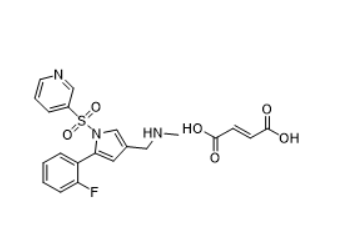
Vonoprazan fumarate is a potassium-competitive acid blocker (P-CAB) widely used for the treatment of acid-related gastrointestinal disorders such as gastroesophageal reflux disease (GERD) and peptic ulcers. By competitively inhibiting the H⁺/K⁺ ATPase (proton pump), Vonoprazan effectively suppresses gastric acid secretion. Unlike conventional proton pump inhibitors (PPIs), it offers rapid, sustained acid suppression with a predictable pharmacological profile, making it a preferred option in modern acid-related therapies.
Troikaa Group (Troikaa Pharmaceuticals Limited. and Troikaa Pharmachem Private. Limited.) (“Company” or “us” or “we“) respects your privacy and is committed to protecting your personal data.
This notice and request for consent (“Notice“) will inform you about how the Company proposes to collect, handle, store, use, disclose and transfer (“Process“) your personal data.
Note: We may collect your personal data directly from you, from third party’s companies, regulators or governmental authorities who may have your personal data, or from publicly accessible sources such as your social accounts where you have made your personal data publicly available.
Note: We may undertake the abovementioned activities either ourselves or through third parties such as vendors, service providers, other regulated entities such.
Contact Information:
For more details about how we Process your personal data for various purposes, your rights under the law, and our privacy practices, please read our Privacy Policy.
Our Clodronate Disodium Tetrahydrate is synthesized through a validated, efficient process that ensures robust control of impurities, minimal cycle time, and a well-defined design space. By implementing QbD principles, we guarantee a high-quality API with consistent performance. We adhere to stringent ICH guidelines for impurity control, ensuring that our product meets the highest pharmaceutical standards for safety, reliability, and efficacy.
Precision in API pharmaceutical manufacturing – where Innovation meets Excellence.M
Our Clodronate Disodium Tetrahydrate is produced through a carefully optimized process using the Quality by Design (QbD) methodology. This approach ensures the reliable identification and control of Critical Material Attributes (CMAs), Critical Process Parameters (CPPs), and Critical Quality Attributes (CQAs), resulting in a highly consistent Pharmacopoeial grade product. The QbD framework enables us to deliver a robust, reproducible synthesis process with enhanced product reliability and reduced variability across batches.
The synthesis of Clodronate Disodium Tetrahydrate is built on HAZOP-driven safety practices. By systematically assessing risks and implementing preventive measures, we ensure a secure and efficient process. Coupled with advanced safety features and environmental safeguards, our operations prioritize safety at every stage.
| Sr. No. | Types of impurities | Number of impurities | Common names of impurities |
|---|---|---|---|
| 01 | Unknown impurities | 0 | |
| 02 | Degradation impurities | 1 | Phosphonic acid derivatives (Phosphite ion) |
| 03 | Genotoxic impurities | 0 | |
| 04 | Process related impurities | 5 | Tetraisopropyl methylene diphosphonate, Tetraisopropyl dichloromethylene diphosphonate, Sodium chloride, Monoisopropyl, MonoChloro impurity |
| 05 | Aggregated impurities | 0 | |
| 06 | Literature impurities | 0 | |
| 07 | Nitrosamine impurities | 0 | |
| 08 | Elemental impurities | 24 | As per ICH Q3D |
| 09 | Isomer impurities | 0 | |
| 10 | Truncated Impurity (Deletion & Addition impurity) | 0 |
Choosing our Dequalinium Chloride means selecting a product developed with the utmost care, precision, and commitment to quality. Our advanced QbD-driven process, combined with rigorous impurity control and compliance with international standards, ensures a product that is safe, reliable, and consistent. Whether for treating infections or as part of more complex drug delivery systems, our Dequalinium Chloride is the ideal solution for pharmaceutical companies looking for the best in class.
Precision in API pharmaceutical manufacturing – where Innovation meets Excellence.M
For Dequalinium Chloride, HAZOP provides a structured methodology to preemptively manage safety risks in production. By embedding this approach into our operations, we ensure a hazard-free process. Fail-safes for critical parameters, combined with thorough risk assessments and regular audits, uphold our commitment to safety and environmental stewardship.
| Sr. No. | Types of impurities | Number of impurities | Common names of impurities |
|---|---|---|---|
| 01 | Unknown impurities | 0 | -- |
| 02 | Degradation impurities | 0 | -- |
| 03 | KSM impurities | 1 | 4-hydroxy-2-methylquinoline |
| 04 | Genotoxic impurities | 5 | Impurity-D, Impurity-E, Impurity-F and 4-chloro-2-methylquinoline, Benzene |
| 05 | Process related impurities | 3 | Impurity-A, Impurity-B and Impurity-C |
| 06 | Aggregated impurities | 0 | -- |
| 07 | Literature impurities | 3 | Determination of Dequalinium chloride and related impurities in cosmetics and pharmaceuticals by reversed-phase HPLC, A nuclear magnetic resonance method for the determination of the purity of commercial dequalinium chloride |
| 08 | Nitrosamine impurities | 1 | N-Nitrosodiethylamine |
| 09 | Elemental impurities | 24 | As per ICH Q3D (R2) |
| 10 | Isomer impurities | 0 | -- |
| 11 | Truncated Impurity (Deletion & Addition impurity) | 0 | -- |
Our Desflurane API is developed with an advanced synthesis process emphasizing process safety, impurity control, and regulatory compliance. By implementing cutting-edge manufacturing techniques, we ensure a highly pure, safe, and reliable product, meeting the stringent demands of the pharmaceutical industry. Our expertise in optimizing synthesis and impurity control allows us to deliver a product that ensures both patient safety and operational efficiency.
Precision in API pharmaceutical manufacturing – where Innovation meets Excellence.M
Our Desflurane manufacturing process is refined using Quality by Design (QbD) principles, ensuring consistency and reproducibility at a commercial scale. The process has been carefully optimized to enhance efficiency and quality, with a well-defined design space that allows for precise control over manufacturing variables. Critical Process Parameters (CPPs), Critical Quality Attributes (CQAs), and Critical Material Attributes (CMAs) have been thoroughly evaluated to enhance process reliability and minimize variability. The result is a robust and well-controlled synthesis process that meets stringent regulatory and pharmacopoeial standards, ensuring a high-purity final product.
We ensures Desflurane’s process safety through a HAZOP, identifying and mitigating risks in synthesis. By controlling critical parameters like temperature, pressure, and reaction kinetics, we prevent hazards and ensure operational integrity. Fail-safe mechanisms, real-time monitoring, and routine safety audits enhance reliability, ensuring compliance with global standards while minimizing impurities and safeguarding both personnel and product quality.
Desflurane synthesis prioritizes impurity control, ensuring compliance with pharmaceutical quality standards. Thorough risk assessments minimize nitrosamine and mutagenic impurities, enhancing clinical safety. Genotoxic Impurities (GTIs) are rigorously evaluated, and process optimizations eliminate harmful byproducts. Adhering to ICH Q3D guidelines, elemental impurities are strictly controlled, ensuring high purity, efficacy, and patient safety.
| Sr. No. | Types of impurities | Number of impurities | Common names of impurities |
|---|---|---|---|
| 01 | Unknown impurities | 0 | -- |
| 02 | Degradation impurities | 0 | -- |
| 03 | Genotoxic impurities | 1 | Benzene |
| 04 | Process related impurities | 7 | Isoflurane, MDC, Acetone, DCFM, TCFM, TCTFE, Chloroform |
| 05 | Aggregated impurities | 0 | -- |
| 06 | Literature impurities | 7 | OPRD 2011 |
| 07 | Nitrosamine impurities | 0 | -- |
| 08 | Elemental impurities | 24 | As per ICH Q3D |
| 09 | Isomer impurities | 0 | -- |
| 10 | Truncated Impurity (Deletion & Addition impurity) | 0 | -- |
Our Dexmedetomidine Hydrochloride API offers superior quality and safety through a QbD-driven four-step synthesis process, ensuring consistent Pharmacopoeial grade production. With stringent impurity control and full compliance with ICH guidelines for Nitrosamine, Genotoxic, and Elemental impurities, it provides a reliable and trusted solution for pharmaceutical manufacturers, making it ideal for clinical applications in sedation and analgesia.
Precision in API pharmaceutical manufacturing – where Innovation meets Excellence.M
The synthesis of our Dexmedetomidine Hydrochloride API is carried out through a highly refined four-step process, meticulously developed using the Quality by Design (QbD) approach. By focusing on Critical Material Attributes (CMAs), Critical Process Parameters (CPPs), and Critical Quality Attributes (CQAs), we ensure that the synthesis process is not only efficient but also reliable and reproducible. This guarantees a consistent Pharmacopoeial grade product that meets the highest standards of the pharmaceutical industry.
In manufacturing Dexmedetomidine Hydrochloride, HAZOP plays a vital role in preventing hazards and enhancing safety. Through systematic risk identification, advanced safety measures, and regular parameter audits, we ensure a secure operational environment. HAZOP enables us to consistently deliver high-quality, safe, and compliant pharmaceutical solutions.
| Sr. No. | Types of Impurities | Number of Impurities | Common Names of Impurities |
|---|---|---|---|
| 01 | Unknown impurities | 0 | -- |
| 02 | Degradation impurities | 1 | Dexmedetomidine oxide |
| 03 | KSM impurities | 0 | -- |
| 04 | Genotoxic impurities | 1 | Benzene |
| 05 | Process related impurities | 0 | -- |
| 06 | Aggregated impurities | 0 | -- |
| 07 | Literature impurities (USP monograph) | 5 | Hydroxymedetomidine, N-Benzyl Hydroxymedetomidine, Ethylmedetomidine, N-Benzyl medetomidine, N-Benzyl vinyl analogue |
| 08 | Nitrosamine impurities | 0 | -- |
| 09 | Elemental impurities | 24 | As per ICH Q3D (R2) |
| 10 | Isomer impurities | 1 | Levomedetomidine hydrochloride |
| 11 | Truncated Impurity (Deletion & Addition impurity) | 0 | -- |
By choosing our Glycofurol, you gain the advantage of a QbD-driven production process that ensures consistent product quality. Our comprehensive impurity control guarantees that the product is free from nitrosamines, with ethylene oxide levels maintained well below the safety limit. We source raw materials from GMP-compliant suppliers, ensuring reliability and safety. Additionally, our high-capacity production capabilities allow us to meet the demands of the industry efficiently.
We have developed and implemented a robust manufacturing protocol, which provide desired oligomeric ratio consistently for both the grades of Glycofurol. Our process optimization, driven by Quality by Design (QbD) and Design of Experiments (DOE), allows for precise control over Critical Process Parameters (CPPs) and Critical Quality Attributes (CQAs). This strategic approach ensures that our Glycofurol product is free from harmful impurities, including nitrosamine and genotoxic impurities, and meets stringent safety standards.
Additionally, we follow strict specification limits, ensuring ethylene oxide content is maintained well below the specification limit, further enhancing the product’s safety profile.
At Troikaa, our state-of-the-art manufacturing facility employs an in-house developed, optimized distillation process that ensures consistent, high-quality Glycofurol. We source our raw materials from GMP-compliant suppliers, ensuring the highest standards of safety and quality are maintained throughout the production process. Our facility has the capacity for multi-kilogram production, enabling us to meet the growing demand for Glycofurol in the pharmaceutical industry.
Glycofurol is manufactured with a precise focus on impurity control, ensuring unparalleled quality and safety. Nitrosamine impurities are completely eliminated, while ethylene oxide levels are stringently regulated. Degradation impurities like peroxide, along with process-related impurities such as furfuryl alcohol and acetic acid are meticulously controlled.
Our advanced distillation process ensures consistent quality by achieving the desired oligomeric ratio, maintaining color purity, and eliminating unknown or aggregated impurities. Meeting stringent global standards, Glycofurol stands out as a pharmaceutical-grade excipient of superior reliability and safety.
Sr. No. | Types of Impurities | Number of Impurities | Common Names of Impurities |
01 | Unknown impurities | 0 | — |
02 | Degradation impurities | 1 | Peroxide |
03 | Genotoxic impurities | 1 | Ethylene Oxide |
04 | Process related impurities | 4 | Furfuryl alcohol, Tetrahydrofurfuryl alcohol, Ethylene Oxide, Acetic acid glacial |
05 | Aggregated impurities | 0 | — |
06 | Literature impurities | 0 | — |
07 | Nitrosamine impurities | 0 | — |
08 | Elemental impurities | 24 | As per ICH Q3D |
09 | Isomer impurities | 0 | — |
10 | Truncated Impurity (Deletion & Addition impurity) | 0 | — |
By combining advanced synthesis techniques, rigorous impurity control, and a commitment to regulatory compliance, we offer a Ketamine Hydrochloride API that stands out for its reliability, safety, and quality. Our five-step synthesis process, optimized through the QbD approach, ensures consistent delivery of a Pharmacopoeial grade product that meets the needs of a wide range of medical applications.
Precision in API pharmaceutical manufacturing – where Innovation meets Excellence.M
Our Ketamine Hydrochloride is produced through a carefully controlled five-step synthesis process, optimized using the Quality by Design (QbD) methodology. By systematically identifying and managing Critical Material Attributes (CMAs), Critical Process Parameters (CPPs), and Critical Quality Attributes (CQAs), we ensure a robust manufacturing process that consistently yields high-quality product.
The production of Ketamine Hydrochloride is guided by HAZOP principles, ensuring all safety concerns are anticipated and mitigated. This proactive framework allows us to maintain a fail-safe production process, complemented by advanced safety audits and robust risk management strategies, delivering a secure and compliant product.
| Sr. No. | Types of Impurities | Number of Impurities | Common Names of Impurities |
|---|---|---|---|
| 01 | Unknown impurities | 0 | -- |
| 02 | Degradation impurities | 0 | -- |
| 03 | KSM impurities | 2 | o-Chlorobenzaldehyde, o-Chlorobenzotrichloride |
| 04 | Genotoxic impurities | 4 | Chlorocyclopentane, 2-CPK, DBE, Benzene |
| 05 | Process related impurities | 3 | Impurity-A, Impurity-B, and Impurity-C |
| 06 | Aggregated impurities | 0 | -- |
| 07 | Literature impurities | 3 | Synthesis of ketamine from a nontoxic procedure: a new and efficient route. The novel methoxetamine analogs N-ethylnorketamine hydrochloride (NENK), 2-MeO-N-ethylketamine hydrochloride (2-MeO-NEK), and 4-MeO-N-ethylketamine hydrochloride (4-MeO-NEK) elicit rapid antidepressant effects via activation of AMPA and 5-HT2 receptors. |
| 08 | Nitrosamine impurities | 1 | N-Nitrosoketamine |
| 09 | Elemental impurities | 24 | As per ICH Q3D (R2) |
| 10 | Isomer impurities | 0 | -- |
| 11 | Truncated Impurity (Deletion & Addition impurity) | 0 | -- |
By combining advanced synthetic techniques, stringent impurity control, and a commitment to regulatory excellence, our Midazolam API stands out for its unparalleled quality, safety, and reliability. Our process is designed to meet the highest Pharmacopoeial standards, making it a trusted choice for pharmaceutical manufacturers worldwide.
Precision in API pharmaceutical manufacturing – where Innovation meets Excellence.M
Midazolam production integrates HAZOP as a cornerstone of our safety strategy. By identifying and mitigating risks at every stage, we maintain the highest safety standards. Comprehensive safety audits, critical parameter monitoring, and environmental safeguards ensure Midazolam manufacturing remains secure, efficient, and fully compliant with industry regulations.
| Sr. No. | Types of impurities | Number of impurities | Common names of impurities |
|---|---|---|---|
| 01 | Unknown impurities | 0 | -- |
| 02 | Degradation impurities | 2 | N-Oxide, Hydroxy-methyl midazolam |
| 03 | Genotoxic impurities | 2 | Dihydroquinazoline 3-oxide, quinazoline 3-Oxide |
| 04 | Process related impurities | 3 | Desfluoromidazolam, Dihydromidazolam, Aminomethylbenzodiazepine |
| 05 | Aggregated impurities | 1 | Midazolam Dimer |
| 06 | Literature impurities | 11 | OPRD 2023, US7776852B2, Acta Pharm. 2013 |
| 07 | Nitrosamine impurities | 4 | N-Nitroso dihydromidazolam, N-Nitroso reduced midazolam, N-Nitroso N-Oxide Nitromethylene, N-Nitroso aminomethylbenzodiazepine |
| 08 | Elemental impurities | 24 | As per ICH Q3D |
| 09 | Isomer impurities | 1 | Midazolam 6-H isomer |
| 10 | Truncated Impurity (Deletion & Addition impurity) | 0 | -- |
Our commitment to advanced process innovation, rigorous safety protocols, and strict regulatory compliance ensures that Nefopam Hydrochloride produced by us not only meets but exceeds industry standards. By leveraging sophisticated technologies and scientific excellence, we provide a product that is both safer and more efficient, offering unparalleled value to our customers.
Precision in API pharmaceutical manufacturing – where Innovation meets Excellence.M
Safety is paramount in the pharmaceutical industry, and we go beyond compliance to ensure our processes are the safest in the market. Through comprehensive risk assessments and the integration of advanced safety features, our Nefopam Hydrochloride synthesis process is built to prevent hazards at every stage. We employ HAZOP, a systematic approach to identifying and mitigating potential risks in our processes. This proactive measure allows us to anticipate and address safety concerns before they arise, ensuring a robust and fail-safe operational environment. Additionally, fail-safes for critical parameters and regular safety audits are conducted, ensuring both personnel safety and environmental protection.
| Sr. No. | Types of impurities | Number of impurities | Common names of impurities |
|---|---|---|---|
| 01 | Unknown impurities | 0 | -- |
| 02 | Degradation impurities | 1 | N-Oxide |
| 03 | Genotoxic impurities | 3 | IPMS, EO and Benzene |
| 04 | Process related impurities | 4 | Nefomide, Nefodiol, Deoxy, Ketomaine |
| 05 | Aggregated impurities | 0 | -- |
| 06 | Literature impurities | 4 | OPRD 2017 |
| 07 | Nitrosamine impurities | 3 | NDMA, N-Nitroso MMEA, N-Nitroso Desmethyl Nefopam |
| 08 | Elemental impurities | 24 | As per ICH Q3D |
| 09 | Isomer impurities | 0 | -- |
| 10 | Truncated Impurities (Deletion & Addition impurity) | 0 | -- |
Our Pralidoxime Chloride API is manufactured in a state-of-the-art facility with multi-kilogram production capacity. All raw materials are sourced from GMP-compliant suppliers, ensuring product integrity and quality. The result is a highly efficient, consistent, and safe API that meets global pharmaceutical standards.
Precision in API pharmaceutical manufacturing – where Innovation meets Excellence.M
The specific activity of Pralidoxime lies in the 2-formyl-1-methylpyridinium ion, and its efficacy is independent of the salt form used. We use the chloride salt for its physiological compatibility, high potency per gram, and excellent water solubility across a range of temperatures, ensuring efficient and reliable therapeutic performance.
HAZOP forms the foundation of our safety measures for Pralidoxime Chloride production. This systematic approach enables us to identify and address potential risks proactively, ensuring a safe manufacturing process. Regular safety audits and critical parameter monitoring further reinforce our commitment to operational excellence and environmental protection.
| Sr. No. | Types of impurities | Number of impurities | Common names of impurities |
|---|---|---|---|
| 01 | Unknown impurities | 0 | - |
| 02 | Degradation impurities | 0 | - |
| 03 | Genotoxic impurities | 1 | Dimethyl sulphate |
| 04 | Process related impurities | 05 | Picolinic acid, Pyridine-2-aldehyde, Pyridine-2-aldoxime, Hydroxylamine sulphate, Isopropyl chloride |
| 05 | Aggregated impurities | 0 | - |
| 06 | Literature impurities | 5 | J Pharm Sci. 1986 Jun;75(6):608-11. doi: 10.1002/jps.2600750618. |
| 07 | Nitrosamine impurities | 0 | - |
| 08 | Elemental impurities | 24 | As per ICH Q3D |
| 09 | Isomer impurities | 1 | Pralidoxime anti-isomer |
| 10 | Truncated Impurity (Deletion & Addition impurity) | 0 | - |
Our Pridinol Mesylate API is developed with a meticulously optimized synthesis process, ensuring high purity, reproducibility, and compliance with stringent regulatory standards. By leveraging advanced process control strategies, we deliver a product that meets the highest pharmaceutical quality benchmarks, ensuring both efficacy and patient safety.
Precision in API pharmaceutical manufacturing – where Innovation meets Excellence.M
The synthesis of Pridinol Mesylate is developed using the Quality by Design (QbD) approach, ensuring a robust and well-controlled process. During development, Critical Process Parameters (CPPs), Critical Material Attributes (CMAs), and Critical Quality Attributes (CQAs) were carefully identified and addressed to guarantee consistency in product quality. Given the sensitivity of Pridinol Mesylate to moisture, pH, and temperature, the purification process was precisely optimized to maintain stability and achieve the desired product specifications.
Our HAZOP approach ensures safety, risk mitigation, and regulatory compliance in Pridinol Mesylate manufacturing. Potential hazards related to moisture, pH, temperature fluctuations, and impurity formation are thoroughly assessed and controlled. Advanced monitoring systems, fail-safe mechanisms, and routine safety audits enhance operational integrity. Comprehensive training ensures personnel preparedness, ensuring high-quality, safe, and compliant Pridinol Mesylate production.
Pridinol Mesylate synthesis ensures stringent impurity control, maintaining exceptional purity and safety. Rigorous purification minimizes Genotoxic, Nitrosamine, and Elemental Impurities, complying with global regulatory standards. Advanced process optimization prevents impurity formation, ensuring high stability. Adhering to ICH Q3D guidelines, our Pridinol Mesylate API guarantees superior quality, reliability, and patient safety.
| Sr. No. | Types of impurities | Number of impurities | Common names of impurities |
|---|---|---|---|
| 01 | Unknown impurities | 0 | -- |
| 02 | Degradation impurities | 1 | N-Oxide |
| 03 | Genotoxic impurities | 1 | Benzene |
| 04 | Process related impurities | 2 | Impurity B, Ene impurity |
| 05 | Aggregated impurities | 0 | -- |
| 06 | Literature impurities | 3 | JPBA, 2008 |
| 07 | Nitrosamine impurities | 1 | NPIP |
| 08 | Elemental impurities | 24 | As per ICH Q3D |
| 09 | Isomer impurities | 0 | -- |
| 10 | Truncated Impurity (Deletion & Addition impurity) | 0 | -- |
Our Remifentanil Hydrochloride API stands out for its superior quality and consistent production. The use of the QbD approach ensures a robust and reproducible manufacturing process, with stringent control over impurities to guarantee compliance with ICH guidelines. This makes our Remifentanil Hydrochloride a trusted and reliable option for pharmaceutical manufacturers, delivering high performance in surgical pain management and anesthesia applications.
Precision in API pharmaceutical manufacturing – where Innovation meets Excellence.M
Remifentanil Hydrochloride production prioritizes safety through HAZOP, a structured approach to risk management. This process identifies potential hazards early and incorporates fail-safes to mitigate them. With regular audits and comprehensive safety protocols, we uphold an environment of security and compliance throughout production.
| Sr. No. | Types of Impurities | Number of Impurities | Common Names of Impurities |
|---|---|---|---|
| 01 | Unknown impurities | 0 | -- |
| 02 | Degradation impurities | 1 | Impurity C |
| 03 | KSM impurities | 0 | -- |
| 04 | Genotoxic impurities | 1 | Benzene |
| 05 | Process related impurities | 0 | -- |
| 06 | Aggregated impurities | 0 | -- |
| 07 | Literature impurities | 15 | Impurity-A, Impurity-B, Impurity-C, Impurity-D, Impurity-E, Impurity-F, Impurity-G, Impurity-H, Impurity-I, Impurity-J, Impurity-K, Impurity-L, Impurity-M, Impurity-N, Impurity-O |
| 08 | Nitrosamine impurities | 0 | -- |
| 09 | Elemental impurities | 24 | As per ICH Q3D (R2) |
| 10 | Isomer impurities | 0 | -- |
| 11 | Truncated Impurity (Deletion & Addition impurity) | 0 | -- |
With our cutting-edge synthesis process, stringent impurity control, and a robust commitment to regulatory compliance, we deliver a Rocuronium Bromide API that offers superior performance and safety. Our focus on quality ensures that every batch meets the highest industry standards, making it the preferred choice for pharmaceutical manufacturers seeking reliability and excellence.
Precision in API pharmaceutical manufacturing – where Innovation meets Excellence.M
Our Rocuronium Bromide API is synthesized through a highly refined, multi-step organic process that integrates the Quality by Design (QbD) methodology. This approach ensures each step of the synthesis is meticulously optimized to maintain high yields and exceptional product quality.
Our Rocuronium Bromide API is designed to exceed regulatory expectations. Through a combination of advanced process controls and state-of-the-art manufacturing technologies, we achieve a Pharmacopoeial grade product that stands out for its purity and consistency. Our commitment to Quality by Design (QbD), continuous process monitoring, and compliance with international regulatory standards makes us a trusted partner in the pharmaceutical industry.
The synthesis of Rocuronium Bromide is fortified by HAZOP, enabling us to proactively detect and address potential risks. This rigorous process ensures operational safety, supported by advanced safety features and routine audits. With HAZOP at the core, we deliver a reliable and safe product while safeguarding both personnel and the environment.
| Sr. No. | Types of impurities | Number of impurities | Common names of impurities |
|---|---|---|---|
| 01 | Unknown impurities | 0 | - |
| 02 | Degradation impurities | 0 | - |
| 03 | Genotoxic impurities | 1 | Allyl bromide |
| 04 | Process related impurities | 4 | O-allyl Rocuronium, 3-Acetyl Rocuronium Bromide, Desacetyl Rocuronium Bromide, Bis-Allyl Rocuronium |
| 05 | Aggregated impurities | 0 | - |
| 06 | Literature impurities | 8 | J. Chromatogr. A 2007 |
| 07 | Nitrosamine impurities | 0 | - |
| 08 | Elemental impurities | 24 | As per ICH Q3D |
| 09 | Isomer impurities | 0 | - |
| 10 | Truncated Impurity (Deletion & Addition impurity) | 0 | - |
Our Sevoflurane API stands out for its high-quality, safety, and compliance with stringent Pharmacopoeial standards. With an optimized synthesis process driven by QbD and DoE, we ensure consistent product quality and comprehensive impurity control. Our commitment to process safety further enhances reliability, making our Sevoflurane an ideal choice for medical use.
Precision in API pharmaceutical manufacturing – where Innovation meets Excellence.M
The synthesis of Sevoflurane involves a two-step process, followed by careful distillation. Final rectification distillation ensures that the API meets the stringent Pharmacopoeial grade standards required for medical applications. This robust process guarantees the highest purity and quality, making Sevoflurane a reliable anesthetic solution.
Sevoflurane production leverages HAZOP to identify and mitigate risks proactively. This structured safety approach ensures a robust, fail-safe process, complemented by regular safety audits and advanced environmental safeguards. HAZOP enables us to deliver a secure and compliant product with uncompromising quality.
| Sr. No. | Types of impurities | Number of impurities | Common names of impurities |
|---|---|---|---|
| 01 | KSM impurities | 2 | Hexafluoro acetone, Hexafluoro propylene oxide (HFPO) |
| 02 | Degradation impurities | 0 | - |
| 03 | Genotoxic impurities | 0 | -- |
| 04 | Process related impurities | 1 | Sevoflurane Acetal |
| 05 | Aggregated impurities | 0 | -- |
| 06 | Specified impurities | 3 |
Sevoflurane Related Compound A Sevoflurane Related Compound B Sevoflurane Related Compound C |
| 07 | Unspecified impurities | 1 | Sevochlorane |
| 08 | Nitrosamine impurities | 0 | -- |
| 09 | Elemental impurities | 24 | As per ICH Q3D |
| 10 | Isomer impurities | 0 | -- |
| 11 | Truncated Impurity (Deletion & Addition impurity) | 0 | -- |
Our advanced approach to Sugammadex Sodium manufacturing integrates deep scientific expertise, meticulous process development, and adherence to stringent regulatory guidelines. With a focus on ensuring the highest quality, safety, and regulatory compliance, our Sugammadex Sodium offers a trusted, high-performance solution for the medical community.
Precision in API pharmaceutical manufacturing – where Innovation meets Excellence.M
In producing Sugammadex Sodium, we employ HAZOP to meticulously assess and address potential safety risks. This structured approach ensures robust safety protocols across the process, preventing hazards before they occur. Coupled with regular audits and advanced fail-safe mechanisms, we deliver a safe and sustainable production environment that aligns with global safety standards.
| Sr. No. | Types of impurities | Number of impurities | Common names of impurities |
|---|---|---|---|
| 01 | Unknown impurities | 0 | -- |
| 02 | Degradation impurities | 3 | Dia-1 of Sulfoxide, Dia-2 of Sulfoxide, Disulfide |
| 03 | Genotoxic impurities | 1 | Benzene |
| 04 | Process related impurities | 2 | Mono bromo & Mono hydroxyl impurity |
| 05 | Aggregated impurities | 0 | -- |
| 06 | Literature impurities | 2 | Chromatography, 2022 J Pharm Biomed Anal, 2022 |
| 07 | Nitrosamine impurities | 1 | NDMA |
| 08 | Elemental impurities | 24 | As per ICH Q3D |
| 09 | Isomer impurities | 0 | -- |
| 10 | Truncated Impurities (Deletion & Addition impurity) | 0 | -- |
Our Apixaban API is developed using advanced manufacturing strategies focused on precision, impurity control and regulatory compliance. With deep process understanding and robust upstream controls, we effectively manage process-related and genotoxic impurities, ensuring a high-purity and safe product. Additionally, our process ensures a consistent polymorphic form and uniform color profile, reflecting superior quality standards and batch-to-batch consistency required by global pharmaceutical markets.
Apixaban manufacturing process is designed using Quality by Design (QbD) principles to ensure reproducibility and consistent performance at scale. Critical Material Attributes (CMAs), Critical Process Parameters (CPPs) and Critical Quality Attributes (CQAs) are systematically identified and controlled. Through Design of Experiments (DoE), the process is optimized to establish a robust design space, minimizing variability and enhancing product quality. This approach ensures a reliable synthesis process aligned with stringent regulatory and pharmacopeial requirements.
Process safety is ensured through a comprehensive HAZOP (Hazard and Operability) assessment, identifying potential risks associated with complex synthesis pathways. Critical parameters such as temperature, pressure and reaction kinetics are closely monitored and controlled. The implementation of fail-safe mechanisms, real-time monitoring systems and regular safety audits ensures operational integrity, minimizes risks and maintains compliance with global safety standards.
Apixaban synthesis is meticulously designed to control a wide range of impurities arising from its complex structure. Dedicated strategies are implemented to manage process-related and degradation impurities, ensuring product stability and quality. Nitrosamine impurities are thoroughly evaluated and controlled in line with global regulatory expectations. Genotoxic impurities (GTIs) are minimized through careful process optimization and risk assessment. Additionally, elemental impurities are controlled as per ICH Q3D guidelines, ensuring safety, efficacy and compliance. The consistent color profile of the API further reflects the robustness of purification and impurity management processes.
| Sr. No. | Types of impurities | Number of impurities | Common names of impurities |
| 01 | Unknown impurities | 0 | — |
| 02 | Degradation impurities | 3 | Apixaban Acid, Open ring amide, Open ring acid |
| 03 | Genotoxic impurities | 1 | Benzene |
| 04 | Process related impurities | 4 | Chloroapixaban, methyl ester, ethyl ester |
| 05 | Aggregated impurities | 0 | — |
| 06 | Literature impurities | 2 | USP forum |
| 07 | Nitrosamine impurities | 4 | NNMO, NDBA, NDEA, NDMA |
| 08 | Elemental impurities | 24 | As per ICH Q3D |
| 09 | Isomer impurities | 0 | — |
| 10 | Truncated Impurity (Deletion & Addition impurity) | 0 | — |
Our Benzoxonium chloride API is developed with a strong focus on process reliability, impurity control and regulatory compliance. Leveraging advanced manufacturing practices and deep process understanding, we ensure effective control of process-related and genotoxic impurities. This results in a high-purity, safe, and consistent product that meets stringent global pharmaceutical standards and supports reliable end-use performance.
Manufacturing process for Benzoxonium chloride is designed using Quality by Design (QbD) principles to ensure consistency and reproducibility. Critical Material Attributes (CMAs), Critical Process Parameters (CPPs) and Critical Quality Attributes (CQAs) are systematically identified and controlled. Through process optimization and a well-defined design space, variability is minimized and product quality is enhanced. This approach ensures robust manufacturing aligned with regulatory and pharmacopoeial expectations.
Process safety is ensured through comprehensive HAZOP (Hazard and Operability) studies, identifying and mitigating potential risks associated with synthesis and scale-up. Critical parameters such as temperature, pressure and reaction conditions are closely monitored to maintain operational integrity. Implementation of fail-safe systems, real-time monitoring and routine safety audits ensures safe, compliant and reliable manufacturing operations.
Benzoxonium chloride synthesis is carefully designed to control impurities and ensure compliance with global quality standards. Genotoxic impurities such as Ethylene oxide are rigorously evaluated and minimized through process optimization. Process-related impurities, including Benzyl chloride, Ethanol amine and N-Lauryldiethanolamine, are effectively controlled through optimized synthesis and purification strategies. Nitrosamine impurities are assessed and maintained within acceptable limits, while elemental impurities are strictly controlled as per ICH Q3D guidelines. These measures ensure high product purity, safety and consistent performance.
| Sr. No. | Types of impurities | Number of impurities | Common names of impurities |
| 01 | Unknown impurities | 0 | — |
| 02 | Degradation impurities | 0 | — |
| 03 | Genotoxic impurities | 1 | Ethylene oxide |
| 04 | Process related impurities | 3 | Benzyl chloride, Ethanol amine, N-Lauryldiethanolamine |
| 05 | Aggregated impurities | 0 | — |
| 06 | Literature impurities | 0 | — |
| 07 | Nitrosamine impurities | 0 | — |
| 08 | Elemental impurities | 24 | As per ICH Q3D |
| 09 | Isomer impurities | 0 | — |
| 10 | Truncated Impurity (Deletion & Addition impurity) | 0 | — |
Our Mephentermine Sulphate API is developed using advanced, patented synthesis technology that ensures process efficiency, consistency and regulatory compliance. With a strong focus on impurity control and process optimization, we effectively manage genotoxic, nitrosamine and process-related impurities. This results in a high-purity, stable and reliable product that meets stringent global pharmaceutical standards and ensures consistent therapeutic performance.
Manufacturing process for Mephentermine Sulphate is built on Quality by Design (QbD) principles, ensuring robust and reproducible production at scale. Critical Material Attributes (CMAs), Critical Process Parameters (CPPs) and Critical Quality Attributes (CQAs) are systematically identified and tightly controlled. Through the application of Design of Experiments (DoE), the process is optimized to minimize variability, control intermediates and ensure consistent impurity management. This well-defined design space enables reliable batch-to-batch consistency and adherence to global regulatory and pharmacopoeial standards.
Process safety is ensured through comprehensive HAZOP (Hazard and Operability) studies, identifying and mitigating risks associated with synthesis and scale-up. Critical parameters such as temperature, pressure and reaction conditions are closely monitored to maintain operational integrity. The implementation of fail-safe systems, real-time monitoring and routine safety audits ensures safe operations, minimizes risks, and maintains compliance with global safety and quality standards.
Mephentermine Sulphate synthesis is designed with a strong emphasis on impurity control to ensure safety and efficacy. Genotoxic impurities such as Benzyl Chloride are carefully monitored and minimized through robust process controls. Nitrosamine impurities, including N-Nitrosomephentermine, are thoroughly evaluated and controlled in line with global regulatory expectations. Process-related impurities are effectively managed through optimized reaction conditions and purification strategies. Additionally, elemental impurities are controlled as per ICH Q3D guidelines, ensuring compliance, product safety and high purity throughout the product lifecycle.
| Sr. No. | Types of impurities | Number of impurities | Common names of impurities |
| 01 | Unknown impurities | 0 | — |
| 02 | Degradation impurities | 0 | |
| 03 | Genotoxic impurities | 1 | Benzyl Chloride |
| 04 | Process related impurities | 14 | |
| 05 | Aggregated impurities | 0 | — |
| 06 | Literature impurities | 0 | |
| 07 | Nitrosamine impurities | 1 | N-Nitrosomephentermine |
| 08 | Elemental impurities | 24 | As per ICH Q3D |
| 09 | Isomer impurities | 0 | — |
| 10 | Truncated Impurity (Deletion & Addition impurity) | 0 | — |
Our Rivaroxaban API is developed using advanced manufacturing strategies focused on process safety, impurity control and regulatory compliance. With deep process understanding and optimized synthesis routes, we effectively control process-related and genotoxic impurities, ensuring high product purity and reliability. Our approach ensures consistent quality, making it suitable for global pharmaceutical applications requiring stringent standards.
Rivaroxaban manufacturing process is designed using Quality by Design (QbD) principles to ensure consistency and reproducibility at scale. Critical Material Attributes (CMAs), Critical Process Parameters (CPPs) and Critical Quality Attributes (CQAs) are systematically identified and controlled. A well-defined design space has been established through detailed process understanding, enabling tight control over variability and ensuring robust, high-quality output. This approach ensures compliance with stringent regulatory and pharmacopoeial requirements while delivering consistent batch-to-batch performance.
Process safety is ensured through a “Safety by Design” approach supported by comprehensive HAZOP (Hazard and Operability) studies. Thorough risk assessments are conducted to identify and mitigate potential hazards associated with synthesis. Critical parameters such as temperature, pressure and reaction kinetics are closely monitored to maintain operational stability. Implementation of fail-safe systems, routine safety audits and personnel training programs ensures safe, compliant and reliable manufacturing operations.
| Sr. No. | Types of impurities | Number of impurities | Common names of impurities |
| 01 | Unknown impurities | 0 | — |
| 02 | Degradation impurities | 0 | — |
| 03 | Genotoxic impurities | 1 | Benzene |
| 04 | Process related impurities | 7 | Rivaroxaban – Impurity G, Rivaroxaban – Impurity B, Rivaroxaban – Impurity D |
| 05 | Aggregated impurities | 1 | Rivaroxaban – Impurity J |
| 06 | Literature impurities | 7 | OPRD 2011 |
| 07 | Nitrosamine impurities | 0 | — |
| 08 | Elemental impurities | 24 | As per ICH Q3D |
| 09 | Isomer impurities | 0 | Rivaroxaban – Impurity A |
| 10 | Truncated Impurity (Deletion & Addition impurity) | 0 | — |
Our Tetraxetan API is developed with a strong focus on impurity control, process robustness, and regulatory compliance. With deep process understanding and optimized purification strategies, we effectively control inorganic and metal impurities well below pharmacopeial limits. This ensures consistent product quality, superior performance and alignment with global regulatory standards, making our Tetraxetan a dependable choice for critical pharmaceutical applications.
Manufacturing process of Tetraxetan is built on Quality by Design (QbD) principles, ensuring consistency and reproducibility at scale. Critical Material Attributes (CMAs), Critical Process Parameters (CPPs) and Critical Quality Attributes (CQAs) are systematically identified and controlled. Through the application of Design of Experiments (DoE), the process is optimized to minimize variability and ensure tight control over intermediates and final product quality. This results in a well-defined design space and a robust manufacturing process that consistently meets stringent regulatory and pharmacopoeial requirements.
Process safety is ensured through comprehensive HAZOP (Hazard and Operability) studies, identifying and mitigating risks associated with synthesis and handling. Critical process parameters are closely monitored to maintain operational stability and prevent deviations. The implementation of fail-safe mechanisms, real-time monitoring systems, and regular safety audits ensures high standards of safety, protecting personnel, equipment, and product integrity while maintaining compliance with global safety norms.
Tetraxetan synthesis is meticulously designed to control a wide range of impurities, with particular emphasis on inorganic and elemental impurities due to its metal-chelating nature. Dedicated strategies are implemented to minimize process-related and genotoxic impurities, ensuring high product purity and safety. Comprehensive risk assessments for nitrosamine and elemental impurities are conducted in line with global regulatory guidelines. Elemental impurities are strictly controlled as per ICH Q3D standards, ensuring compliance and reliability. Additionally, tight control over truncated impurities and intermediates further enhances the overall quality and consistency of the API.
| Sr. No. | Types of impurities | Number of impurities | Common names of impurities |
| 01 | Unknown impurities | 0 | — |
| 02 | Degradation impurities | 0 | |
| 03 | Genotoxic impurities | 1 | Benzene |
| 04 | Process related impurities | 1 | Cyclen |
| 05 | Aggregated impurities | 0 | — |
| 06 | Literature impurities | 1 | Tetraxetan related compound A |
| 07 | Nitrosamine impurities | 0 | |
| 08 | Elemental impurities | 24 | As per ICH Q3D |
| 09 | Isomer impurities | 0 | — |
| 10 | Truncated Impurity (Deletion & Addition impurity) | 1 | DO3A |
Our Vonoprazan fumarate API is developed with a strong emphasis on process precision, impurity control and regulatory compliance. Leveraging advanced process understanding and optimized purification strategies, we ensure consistent product quality and effective control over process-related impurities and intermediates. This results in a high-purity, reliable API aligned with global pharmaceutical standards.
Manufacturing process of Vonoprazan fumarate is built on Quality by Design (QbD) principles, ensuring robustness and reproducibility at scale. Critical Material Attributes (CMAs), Critical Process Parameters (CPPs) and Critical Quality Attributes (CQAs) are systematically identified and controlled. The purification process is carefully optimized to achieve the desired quality profile while minimizing variability. A well-defined design space ensures consistent batch-to-batch performance and compliance with stringent regulatory and pharmacopoeial requirements.
Process safety is ensured through comprehensive HAZOP (Hazard and Operability) studies, identifying and mitigating risks associated with synthesis and scale-up. Critical process parameters such as temperature, pressure and reaction conditions are closely monitored to maintain operational integrity. The implementation of fail-safe systems, real-time monitoring and routine safety audits ensures safe, compliant and reliable manufacturing operations.
Vonoprazan fumarate synthesis is designed with a strong focus on impurity control to ensure safety and compliance. Process-related impurities and intermediates are carefully monitored and controlled through optimized synthesis and purification strategies. Comprehensive assessments for genotoxic, nitrosamine and elemental impurities are conducted in line with global regulatory expectations. Elemental impurities are strictly controlled as per ICH Q3D guidelines, ensuring product safety, efficacy and high purity throughout the product lifecycle.
| Sr. No. | Types of impurities | Number of impurities | Common names of impurities |
| 01 | Unknown impurities | – | – |
| 02 | Degradation impurities | – | – |
| 03 | Genotoxic impurities | – | – |
| 04 | Process related impurities | 5 | 2-(4-fluoropyridin-3-yl)-2H-1l4-pyrrole-4-carbaldehyde, pyridine-3-sulfonyl chloride 5-(2-fluorophenyl)-1-(pyridin-3-ylsulfonyl)-1H-pyrrole-3-carbaldehyde, 1-(5-(2-fluorophenyl)-1-(pyridin-3-ylsulfonyl)-1H-pyrrol-3-yl)-N-methylmethanamine ,Fumaric acid |
| 05 | Aggregated impurities | – | – |
| 06 | Literature impurities | ||
| 07 | Nitrosamine impurities | – | – |
| 08 | Elemental impurities | 24 | As per ICH Q3D |
| 09 | Isomer impurities | – | – |
| 10 | Truncated Impurity (Deletion & Addition impurity) | – | – |